
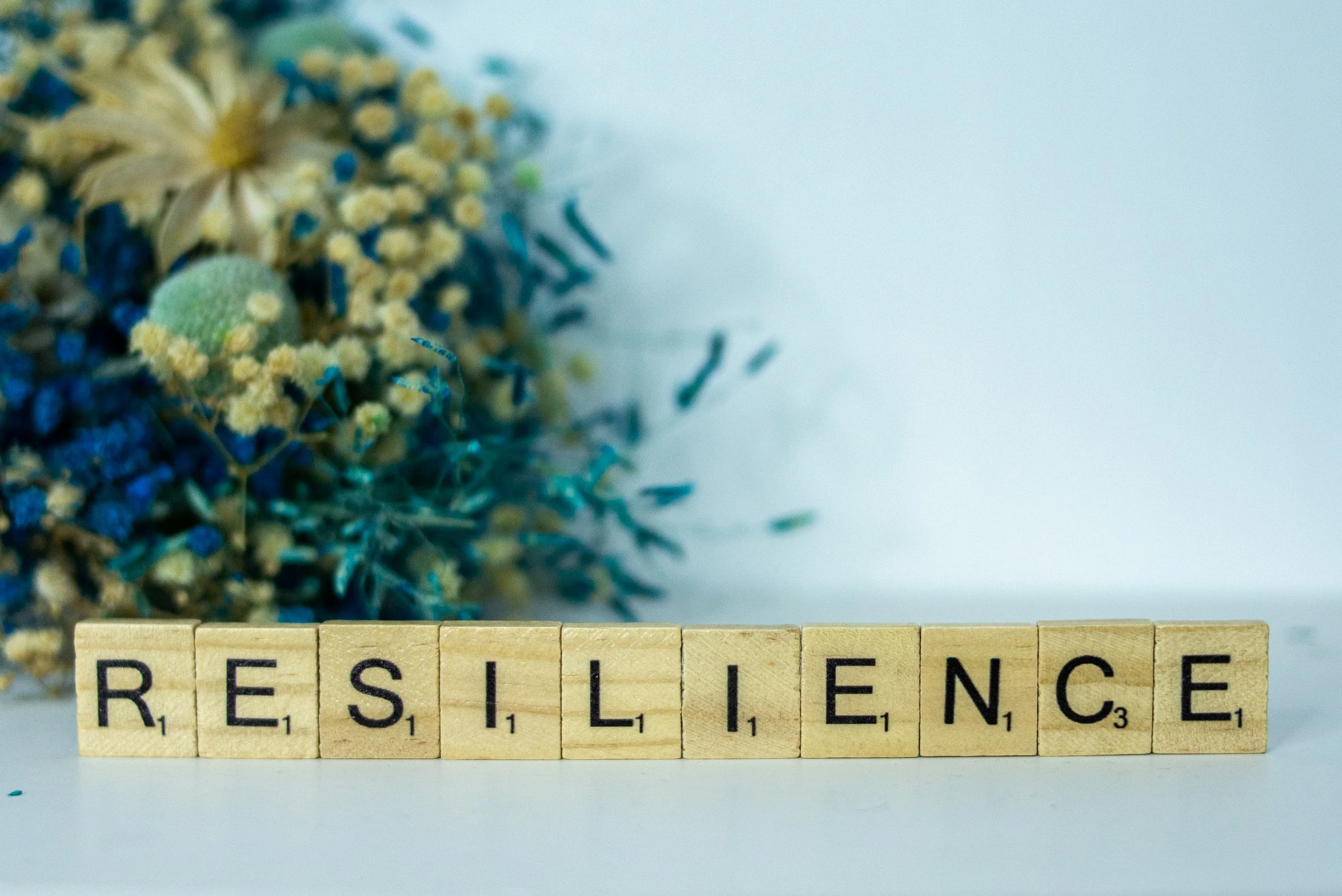
Resilience: Not one size fits all
The article argues that resilience is a unique and individual process, not a fixed trait or simply "pushing through" pain (grit).
True resilience is about understanding what you currently need to help you grow, which can mean taking action, resting, asking for help, or revisiting old wounds with greater understanding.
Psychological Flexibility is presented as a helpful framework for resilience, which involves:
Acceptance: Allowing difficult thoughts and emotions to exist without fighting them.
Cognitive Defusion: Noticing thoughts as mere thoughts, not absolute truths.
Present-Moment Awareness: Staying grounded in the now to respond rather than react.
Values: Using what is meaningful to you as a compass for choosing which struggles to engage with.
Committed Action: Taking small, values-based steps.
For some, resilience also means containment—the ability to hold emotions safely (e.g., using grounding strategies) without becoming overwhelmed.
The process is grown through recognizing personal mental habits (like catastrophizing or avoidance) without judgment and making small, sustainable shifts.