
Therapists as mirrors in therapy
Think of a therapist as a mirror with a filter-free view. We don't exist to tell you what to do, set your partner straight, or hand out tactical advice. Therapy isn't about assigning homework—it's about holding up a perspective you might not have considered, so you can decide which path to take forward.

More Than the Bricks We Build: Learning the Art of Just Being
“We are so much more than the number of bricks we build.” 🧱✨
For as long as I can remember, my default mode was do, produce, repeat. But last year, that lifestyle caught up to me in the form of severe burnout, chronic migraines, and deep exhaustion. I wasn't being the wife, mother, or therapist I wanted to be.
So, this past spring, I did something that terrified my inner perfectionist: I took a step back to learn how to just be.
I traded my endless to-do list for "old lady hobbies"—like crocheting and making sourdough—and discovered that learning to be unproductive is a sacred necessity.
If you are running on empty and tying your self-worth to your daily output, this is your gentle reminder that your value is not defined by your labor. 🤍
I’m sharing the full story, what I learned, and how I’m protecting my daily rhythms of rest moving forward in my latest article, "More Than the Bricks We Build."

The Power of AND
The Power of "AND": Supporting Your Child's Feelings While Holding Your BoundaryEmotional meltdowns are often rooted in uncommunicated expectations leading to intense disappointment. Learn the powerful, four-step tool from Acceptance and Commitment Therapy (ACT)—the "Power of AND"—to effectively navigate these situations. Discover how to validate your child's difficult feelings and communicate support, AND firmly hold your boundary, all without giving in or resorting to shame. Transform your communication by replacing "but" with "and" to foster emotional resilience in your child.
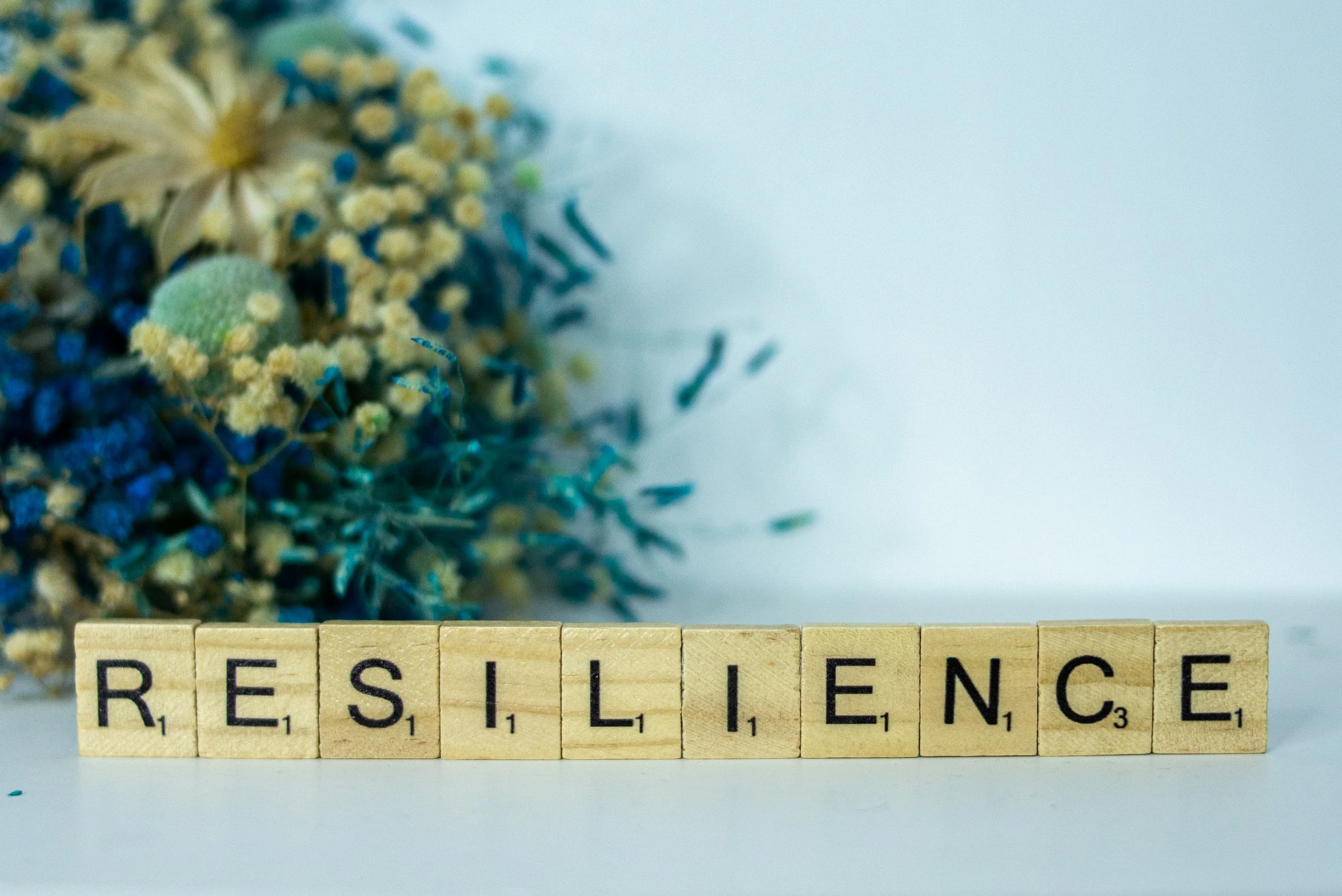
Resilience: Not one size fits all
The article argues that resilience is a unique and individual process, not a fixed trait or simply "pushing through" pain (grit).
True resilience is about understanding what you currently need to help you grow, which can mean taking action, resting, asking for help, or revisiting old wounds with greater understanding.
Psychological Flexibility is presented as a helpful framework for resilience, which involves:
Acceptance: Allowing difficult thoughts and emotions to exist without fighting them.
Cognitive Defusion: Noticing thoughts as mere thoughts, not absolute truths.
Present-Moment Awareness: Staying grounded in the now to respond rather than react.
Values: Using what is meaningful to you as a compass for choosing which struggles to engage with.
Committed Action: Taking small, values-based steps.
For some, resilience also means containment—the ability to hold emotions safely (e.g., using grounding strategies) without becoming overwhelmed.
The process is grown through recognizing personal mental habits (like catastrophizing or avoidance) without judgment and making small, sustainable shifts.

From Clues to Action: Practical Ways to Teach Kids New Skills
“From Clues to Action: Practical Ways to Teach Kids New Skills” focuses on practical strategies for teaching children the missing skills identified in our last post.